Peripheral Artery Disease (PAD) testing
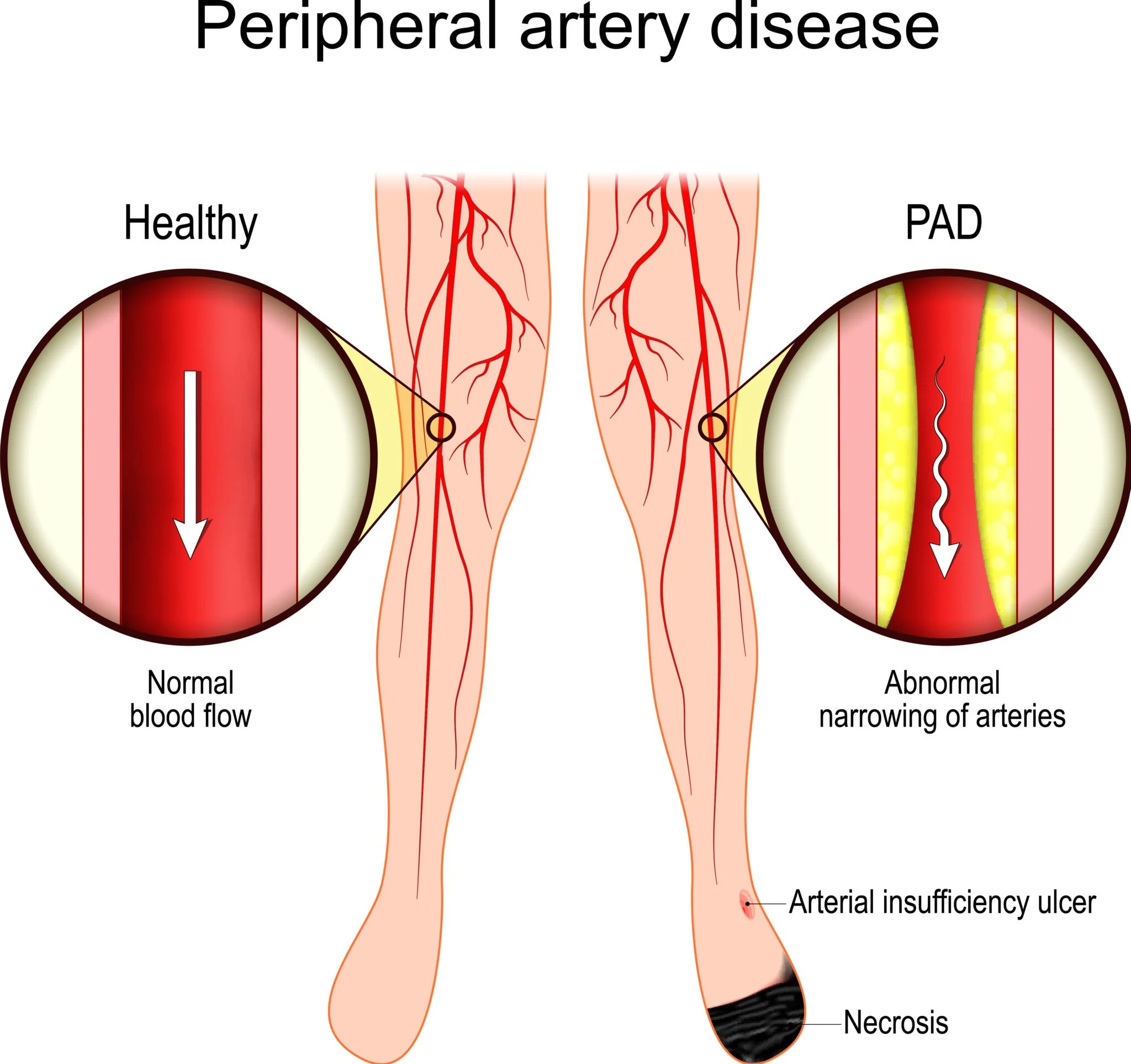
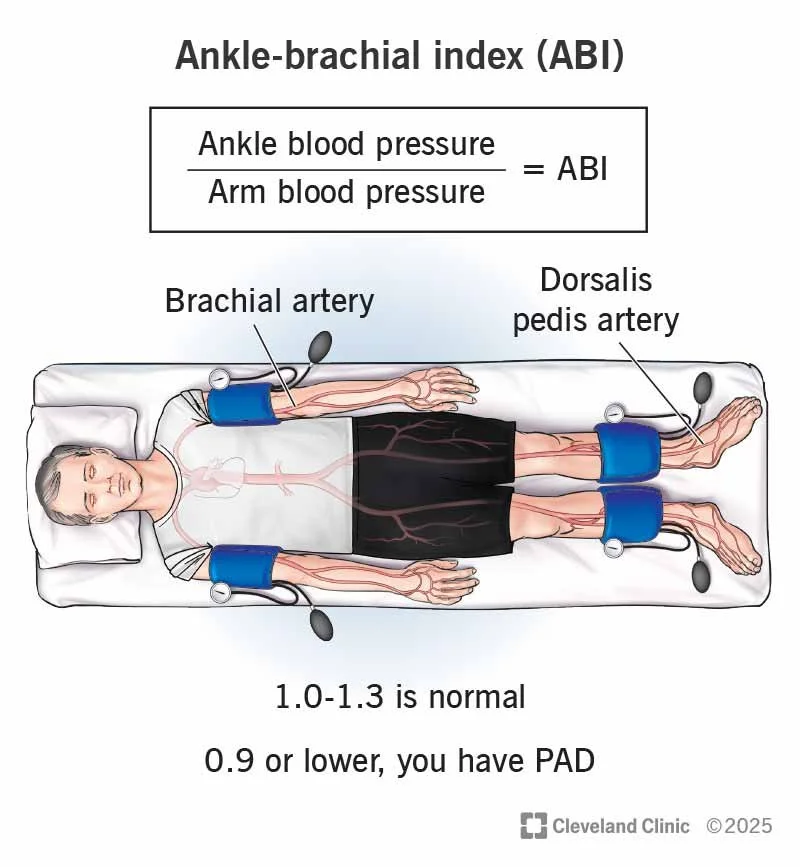
Peripheral artery disease (PAD) is a common condition where fatty deposits narrow the arteries that carry blood to your legs and feet. The Ankle-Brachial Index (ABI) test is a simple, noninvasive screening tool used to detect PAD early. Here’s why ABI testing matters:
Detects PAD early, often before symptoms appear
Many people with PAD have no—or mild—symptoms. Early detection lets you and your clinician treat the disease before it progresses to serious complications.
Identifies increased risk for heart attack and stroke
PAD is a sign of widespread atherosclerosis (artery disease). A low ABI is associated with higher risk of cardiovascular events, so identifying PAD prompts assessment and management of overall heart and vascular risk.
Guides treatment decisions
ABI results help determine whether lifestyle changes, medications (like cholesterol-lowering or blood-thinning drugs), supervised exercise therapy, or vascular procedures are needed to improve blood flow and reduce symptoms.
Helps explain leg symptoms
ABI can clarify whether leg pain, cramping when walking (claudication), slow-healing wounds, or discoloration are due to poor arterial circulation rather than other causes (like nerve or orthopedic problems).
Noninvasive, quick, and reliable
The test involves comparing blood pressure readings at the ankle and arm using a blood pressure cuff and Doppler device. It usually takes 10–15 minutes and has good accuracy when performed correctly.
Monitors disease progression and treatment response
Repeating ABI over time tracks whether PAD is worsening or improving with therapy, helping tailor ongoing care.
Who should consider ABI testing?
People aged 65 or older
People aged 50–64 with risk factors (smoking, diabetes, high blood pressure, high cholesterol, or a history of heart disease)
Anyone with leg pain or nonhealing foot/leg wounds
People younger than 50 with diabetes and additional risk factors
What do ABI results mean?
Normal: 1.00–1.40
Borderline: 0.91–0.99
PAD: ≤0.90 (lower values indicate more severe disease)
ABI >1.40 may indicate noncompressible arteries (common in diabetes); additional testing may be needed.
If you have risk factors for vascular disease or symptoms like leg pain when walking or slow-healing foot sores, an ABI test is a practical first step. It provides important diagnostic and prognostic information that can lead to earlier, more effective care and help prevent serious complications. Book an appointment if you think you may benefit from PAD screening.